Capabilities / Metal Extrusion Services

Metal Extrusion Services: Custom Profiles with Post-Machining


High Quality, Low Cost Metal Extrusions With SUDACNC.
Start Your Metal Extrusion Quote

STEP | STP | SLDPRT | STL| DXF |IPT |X T |X B | 3DXML |CATPART | PRT I SAT | 3MFJT files
All uploads are secure and confidential
SUDACNC's Instant Quoting Engine is covered byU.S. Pat. Nos. IATF16949:2016,GB/T19001-2016/IS09001:2015,GB/T42061-2022/IS013485:2016,IS0/EC 27001:2022.0therpatents pending.

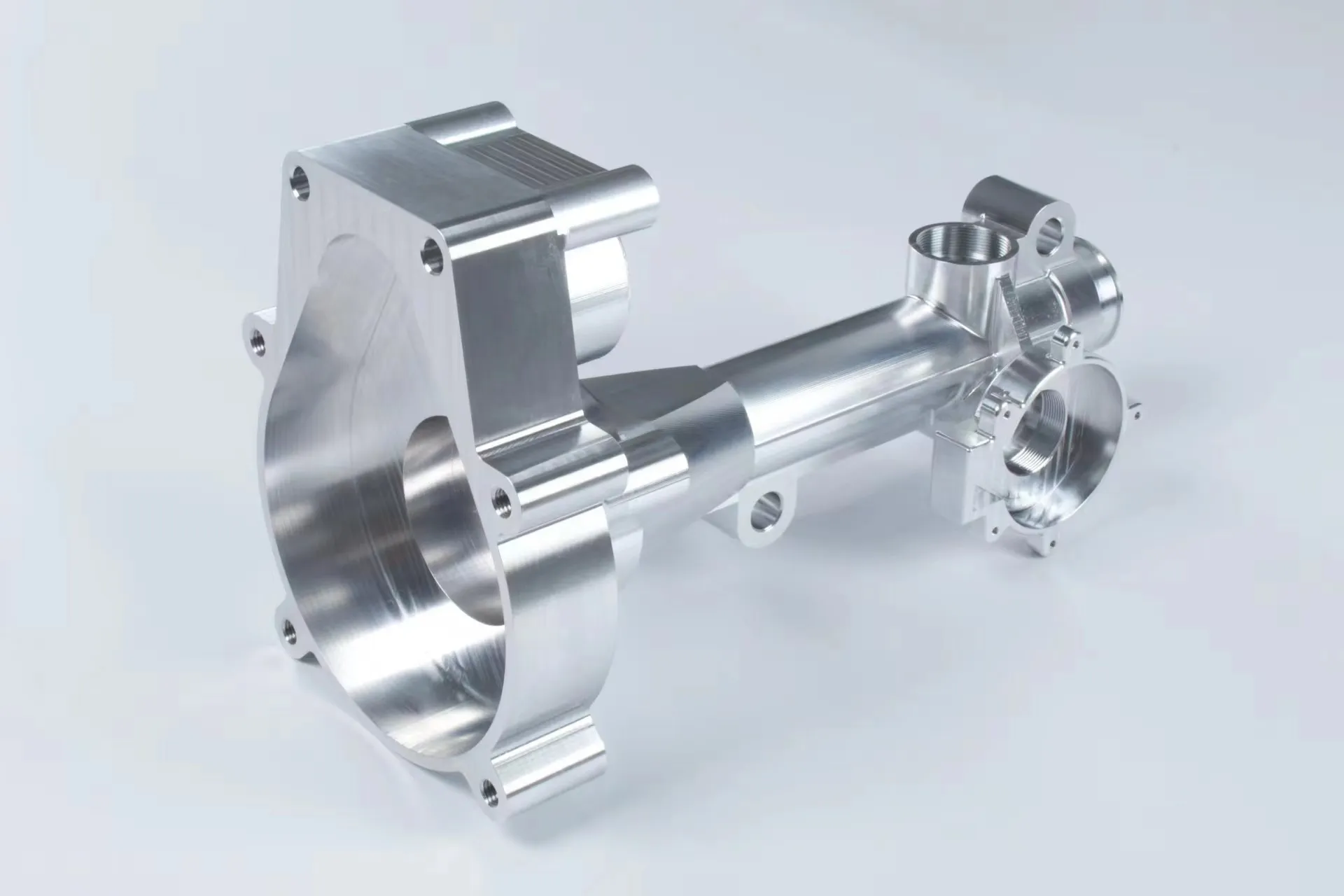
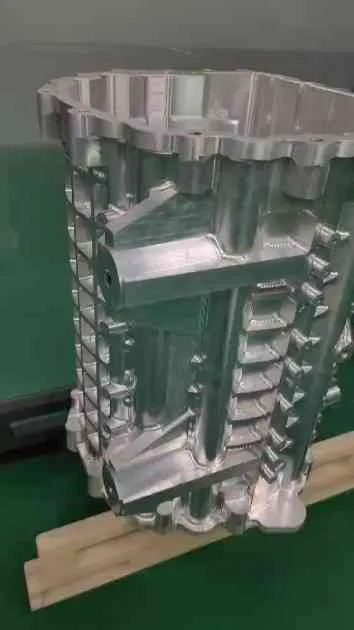
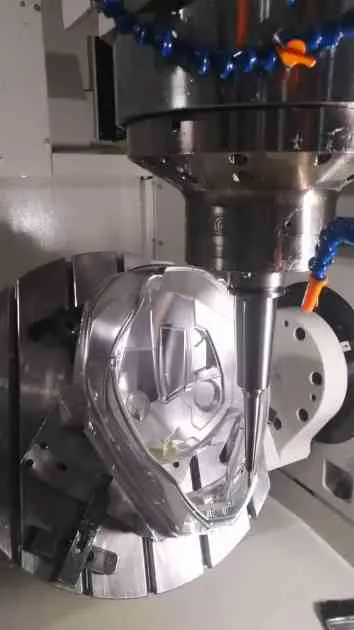
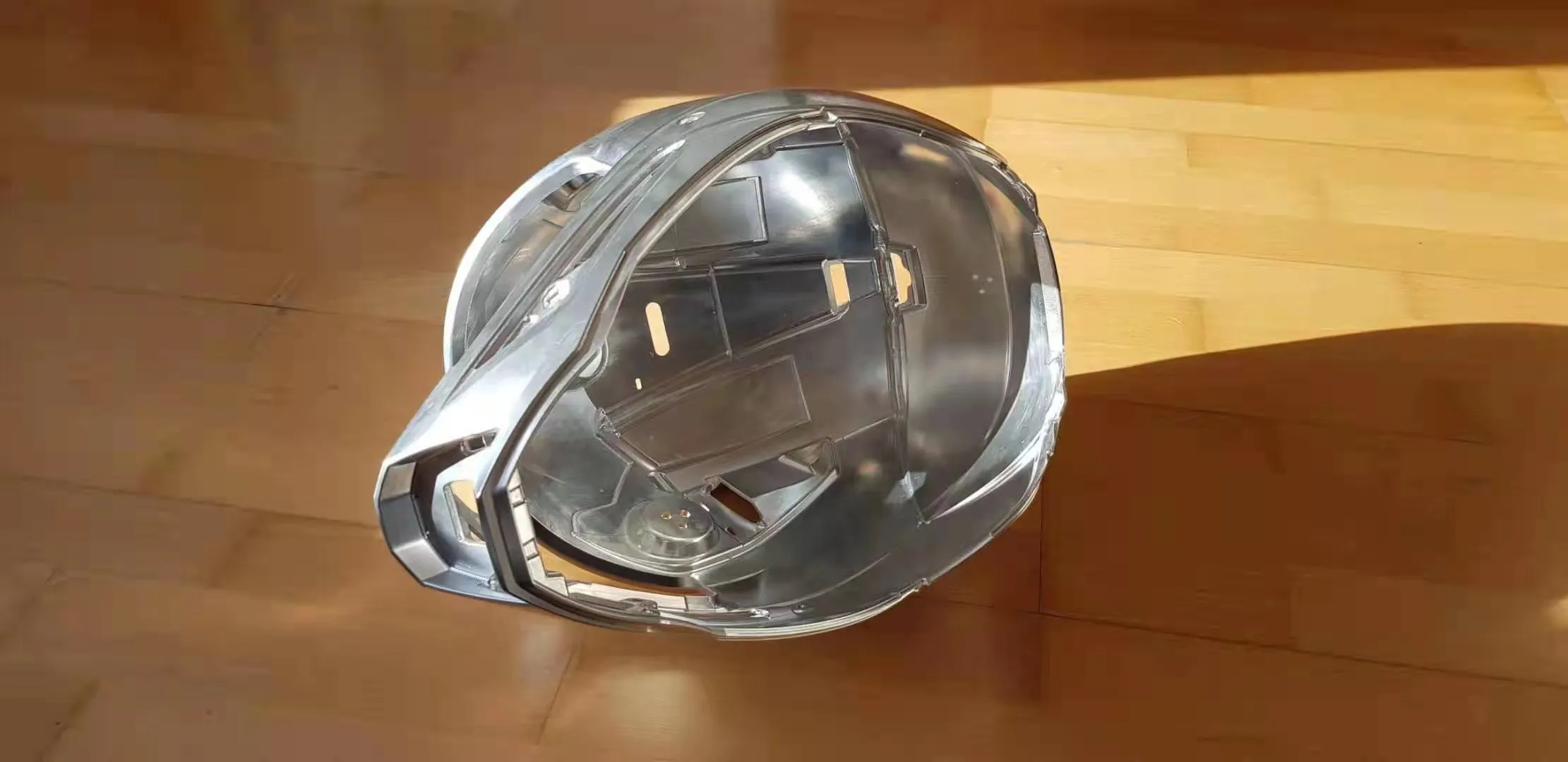
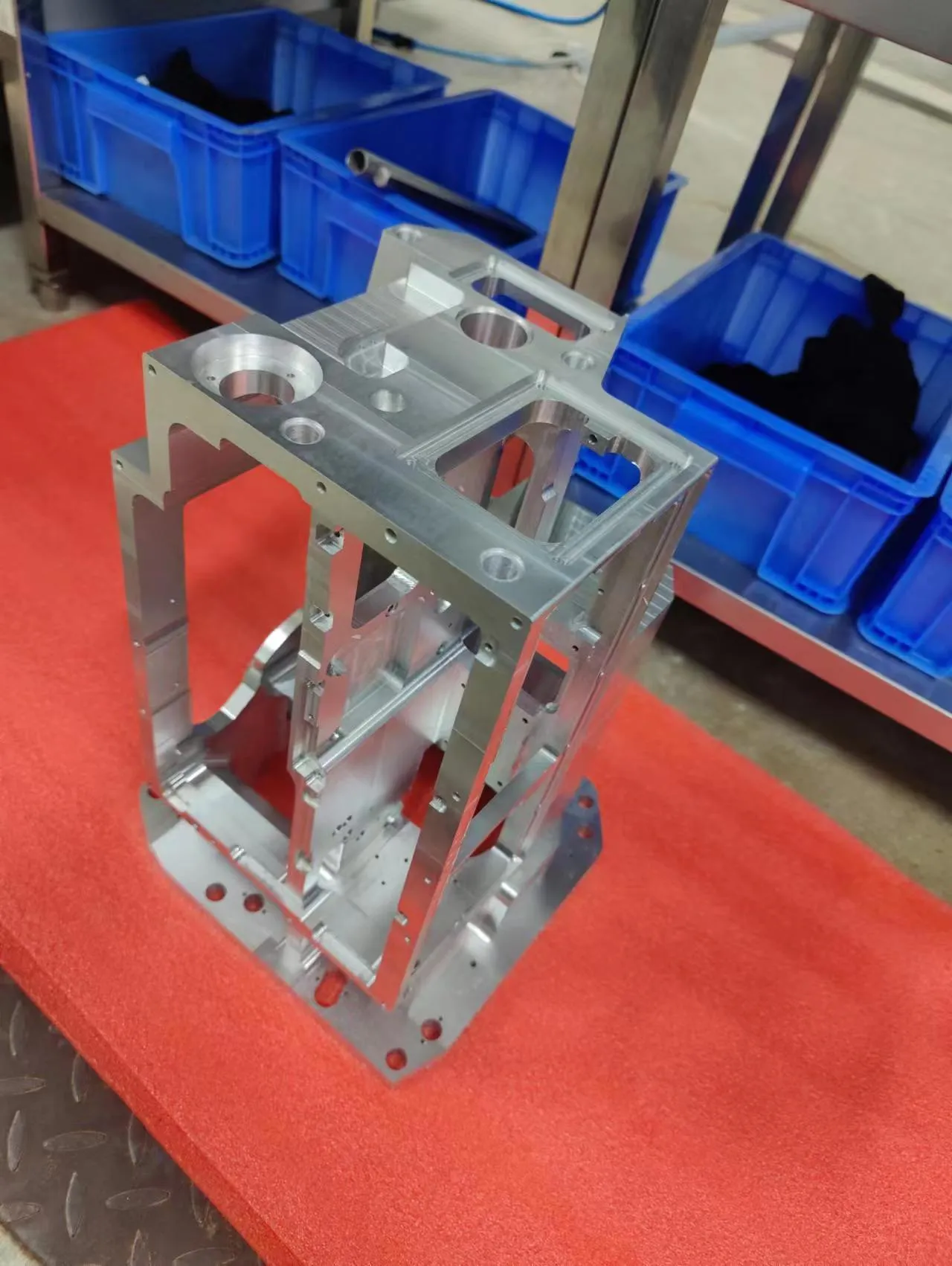
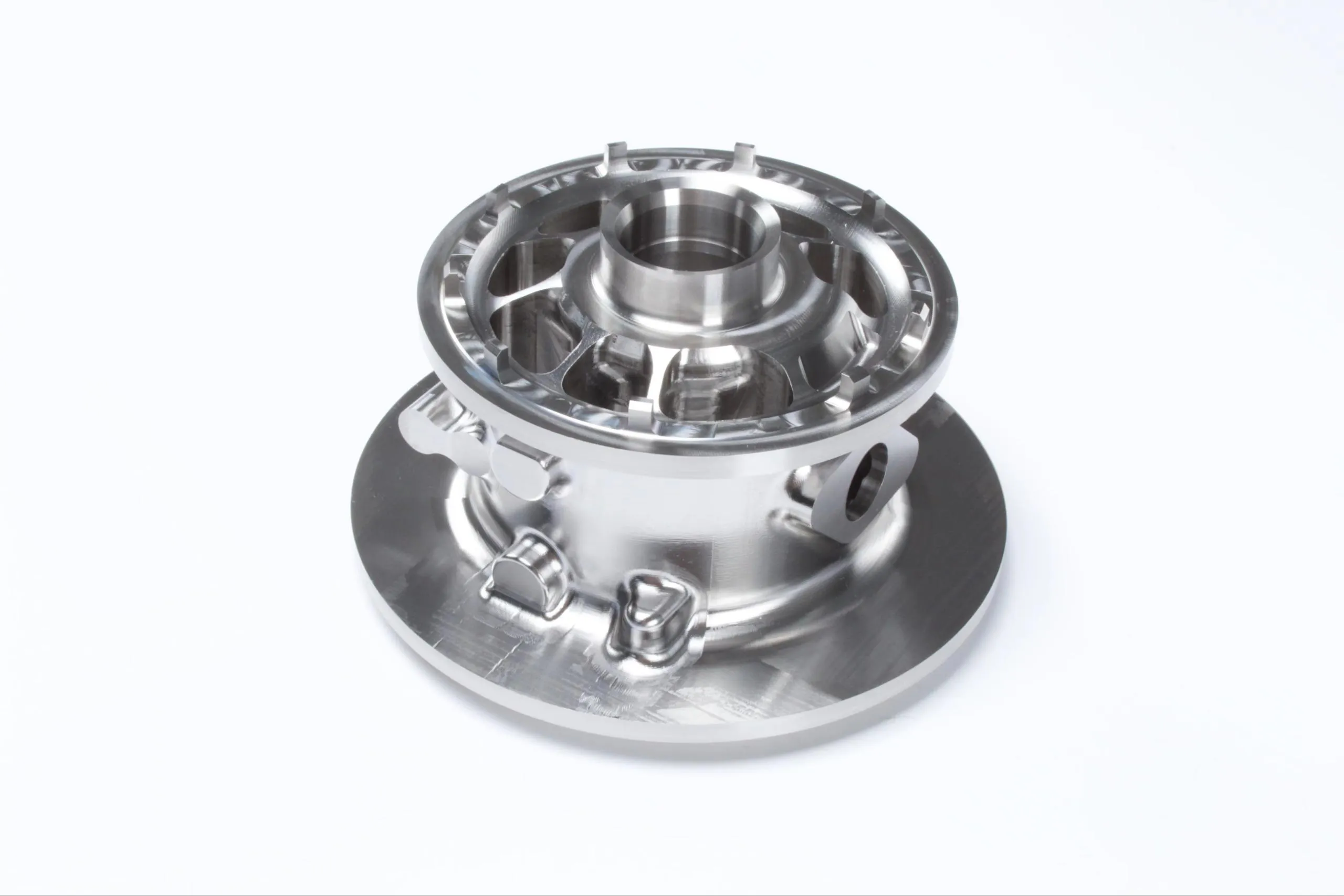
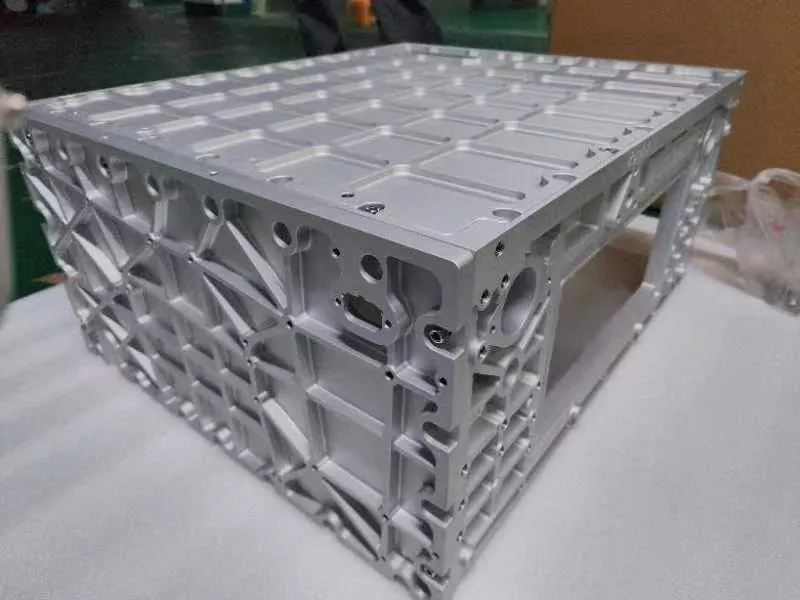
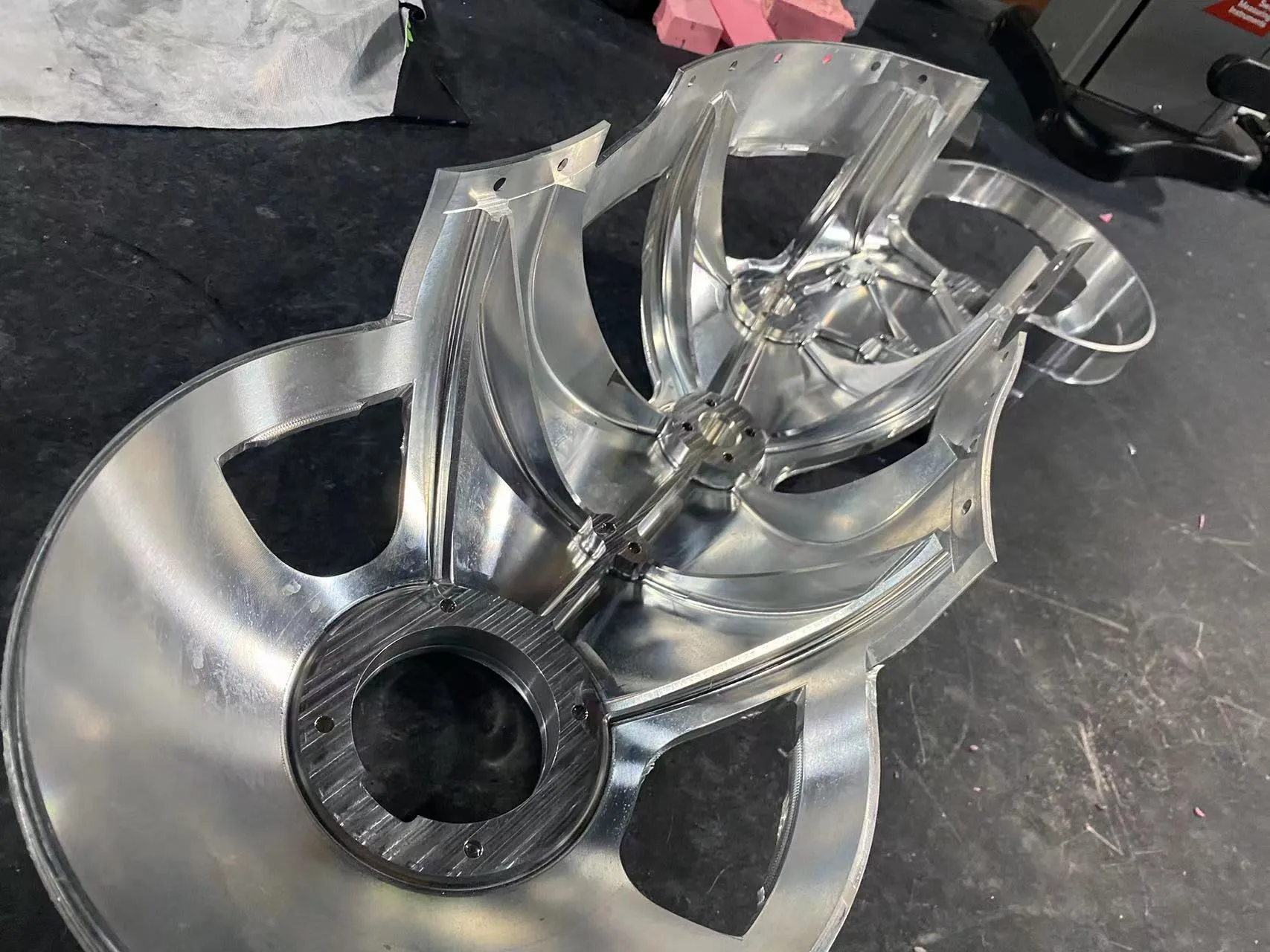
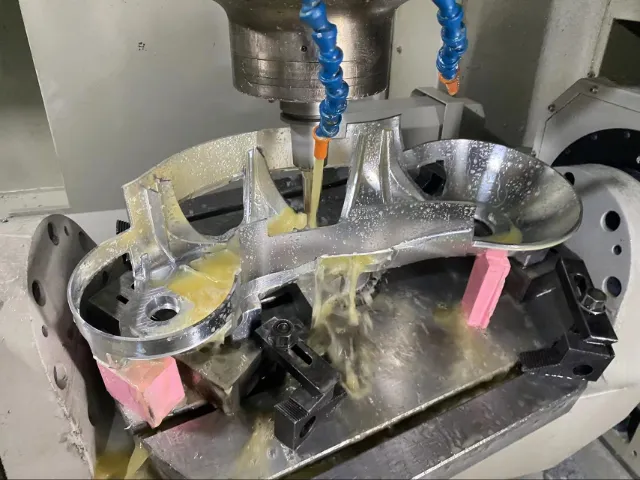
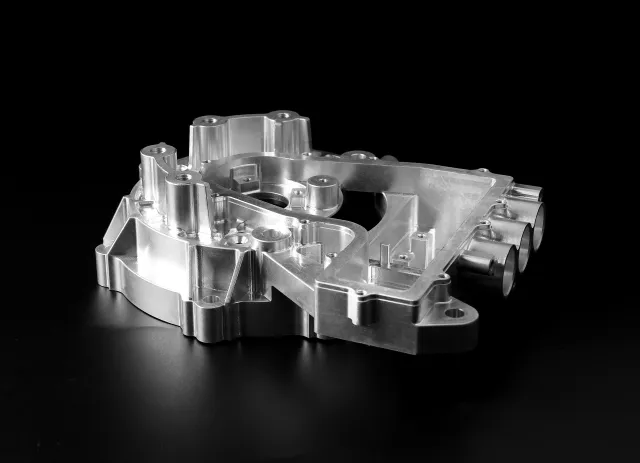
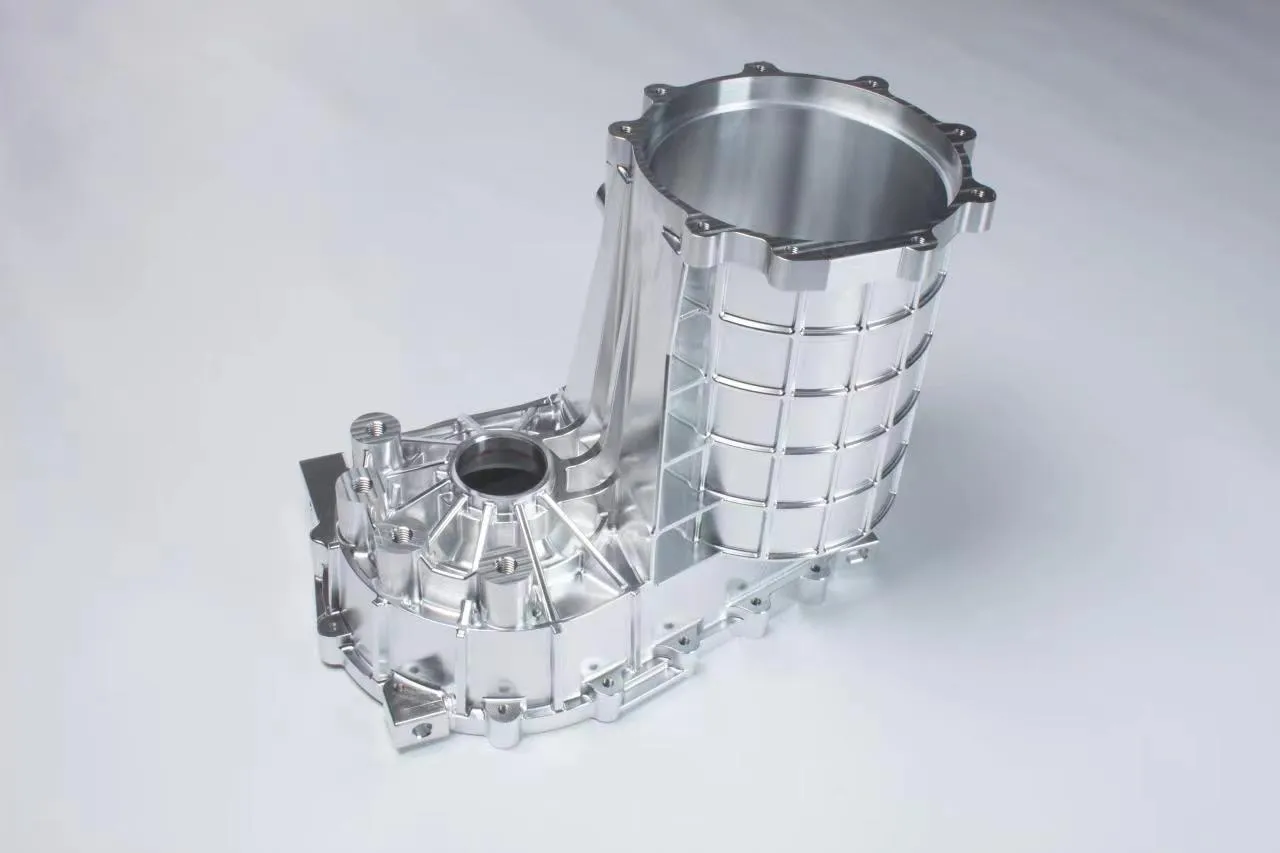
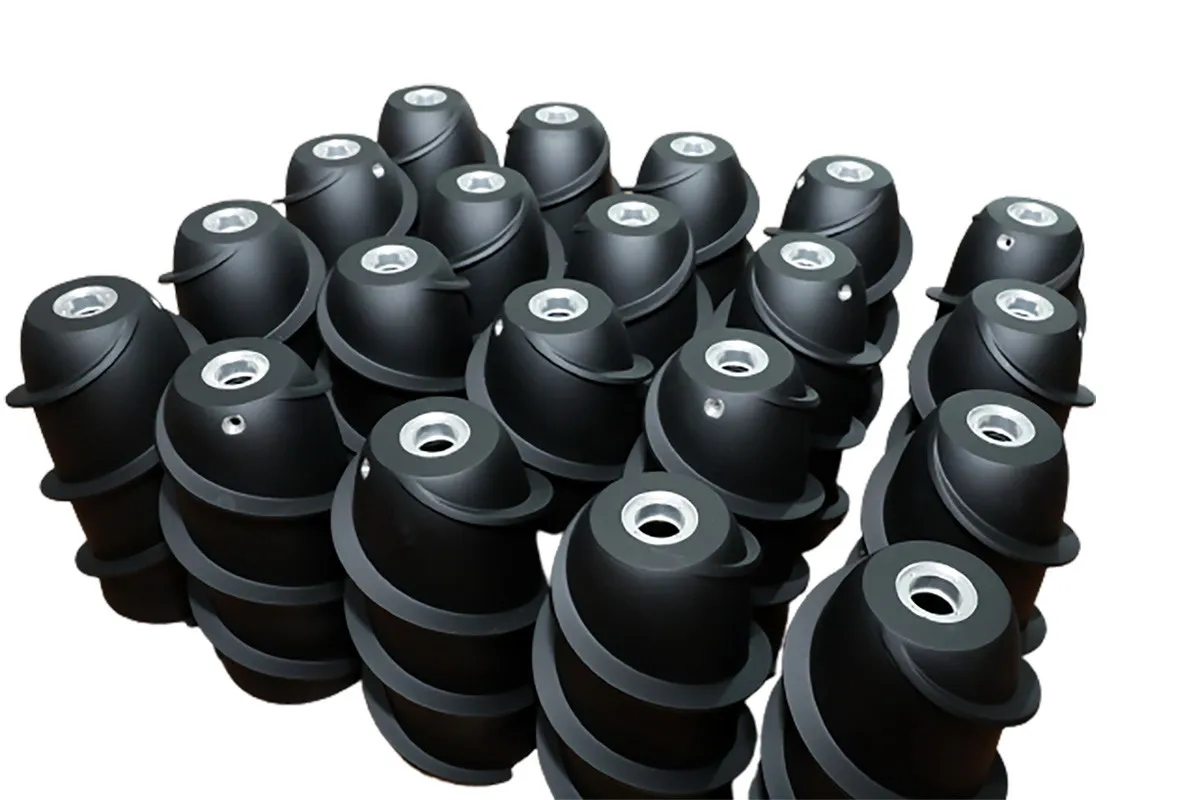
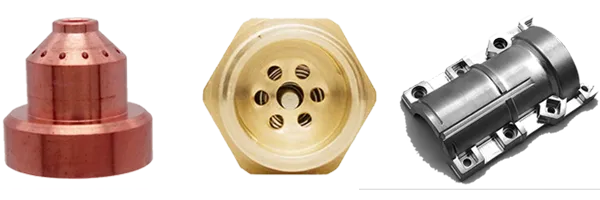
CNC Machining Parts

Fullsize image


The Extrusion Process

Metal extrusion is the manufacturing process of choice when producing high volumes of material with a constant cross-section. With the extrusion process, metal material is forced through the shaped opening of a die using high pressure, resulting in an extruded profile. These profiles range from simple shapes like round or rectangular tubes, U- or H-channels, or more complex profiles with multiple internal hollows and external features, such as 80/20 and T-slot framing bar. Extrusion is also standard for wall and window trim as a cosmetic and structural framing component.

The raw material typically comes in billet form, which is heated and placed into part of the extrusion press called the container. A die stack sits on the other end of the container, forming the opening, which shapes the material to the desired shape using direct or indirect extrusion methods. The extrusion is then quenched, straightened, sawed to the specified length, and inspected for dimensional consistency and accuracy. Extruded products can easily be post-processed to add features outside the channeled profile.
The extrusion profile can be almost any shape and be either solid or hollow with one or more hollow sections. Extrusions with hollow sections require a multi-part die. The material is forced around piercing mandrels supported in the first die, forming the inner profile. The material separates and then is forced or “welded” back together by the second die, creating the outer profile. The smallest circle that will fit around the profile determines the press size. The larger the circumscribed circle, the larger the extrusion press required. SUDACNC specializes in extruding aluminum materials, representing roughly 80% of all extruded metal parts. Aluminum extrusions are everywhere, from window casings to handrails to electrical housings. Our project managers and experts personally review and manually quote each metal extrusion project to ensure we meet your unique needs while providing a fast and easy manufacturing experience. Learn more about the process and our capabilities in the sections below.

Built-In Tool Management

SUDACNC's platform has built-in features that make managing tooled projects a breeze, giving customers greater transparency into production. Find all your tooling quotes and orders in one space with your Tool Library. From there, you can explore their Tool Details page, which covers the current status, milestones, tool specifics, and activity related to that tool. You can also easily find and contact the SUDACNC team member assigned to your project, no matter the project's current phase.

Our Tool Library and Tool Details pages provide multiple benefits, such as:

  • Better Management of Tooled Quotes & Orders
  • Tool Organization & Categorization
  • Detailed Status Updates & Tooling Information
  • Easily Connect with Experts
  • Project Transparency


  • Types of Extrusion and Extrusion Profiles

    SUDACNC partners with the leading extrusion suppliers who utilize the most sophisticated technology to deliver high-quality extrusions. Thanks to our manufacturing network, we can support multiple types of metal extrusion and an endless array of extrusion profiles. The sections below dive deeper into the different extrusion methods and provide examples of standard extrusion profiles.

    Types of Extrusion

    Direct Extrusion

    Direct extrusion, also referred to as forward extrusion, is the most common metal extrusion method. With this type of extrusion, a billet of material is pushed through a container by a high-pressure ram. The material flows in the direction of the ram motion and exits through the opening of the stationary die. Direct extrusion allows for larger profile designs and a higher quality surface finish than the indirect extrusion method. There are some disadvantages to consider with this method. A large amount of friction generates between the material and the walls of the container, which results in decreased die face pressure and temperature variances. These factors make it more challenging to control dimensional consistency and the material’s properties.

    Indirect Extrusion

    With indirect extrusion, the material is placed into a container and secured. The extrusion die moves with a hollow ram over the material, forcing it through the die opening. Indirect extrusion is also sometimes referred to as backward extrusion because the material flows in the opposite direction of the ram motion. Since there is no relative movement between the material and container, there is much less friction with this method, resulting in lower energy use and less heat generation. With less heat, indirect extrusion generally has greater control over dimensional consistency, material properties, and grain size when compared with direct extrusion. However, the drawback to this type of extrusion is a more significant limitation on overall die profile size, as it must fit inside the hollow ram. The billet’s surface impurities can find their way into the extruded product reducing the overall surface finish and aesthetics.

    Hot, Warm, and Cold Extrusion

    These are sub-categories of extrusion integrated into the primary methods discussed above. The temperature of the billet relative to the room and material recrystallization temperature defines hot, warm, or cold extrusion. Hot extrusion is when the billet is heated well above the material’s recrystallization temperature, often associated with the direct extrusion method. The heating of the material softens it and prevents work hardening, so it more easily flows through the die, reducing wear on the tooling. Warm extrusion is when the material is heated above room temperature but remains well below the recrystallization point. The material is not heated in cold extrusion and remains at room temperature. Warm and cold extrusion can increase the hardness and strength of the extruded product due to no excessive raw material heating. These processes work best with high ductility materials, such as aluminum. The warm and cold processes are typical of the indirect metal extrusion method. While not drastically heating the material can provide benefits, it can be harder on the tooling and reduce the lifetime of the die. With this in mind, most manufacturers opt for hot extrusion methods.

    Extrusion Profiles

    Extrusion profiles represent the cross-sectional shape that forms the extruded product. SUDACNCs custom manufacturing services enable you to get extruded parts made with custom extrusion profiles. If you are looking to save cost and time by post-machining an existing aluminum extrusion profile, we can do that too! Below is a list of some off-the-shelf aluminum extrusion profiles we can modify via another manufacturing process, such as our CNC machining service.

  • T Slot Aluminum Extrusions Aluminum Angles
  • T-Bars, H-Bars, Z-Bars
  • I-Beams
  • U-Channels
  • Hat Channels
  • Rectangular Tubes
  • Round Tubes and Pipe


  • Aluminum Extrusions

    Extruded aluminum makes up roughly 80% of all extruded metal products due to its versatility across industries, mechanical properties, diverse finishing options, and high ductility, making it ideal for extrusion processes. Most extruded aluminum alloys are lightweight, resistant to corrosion, and have high thermal and electrical conductivity. Some aspects of each alloy set it apart from the others. To help you choose the right one for your project, we have compiled a table below of the most commonly used alloys we offer and their unique characteristics.
    If your project requires stainless steel or other metal extrusions, we have a “custom material” option within our quoting interface. This option enables you to submit custom requests which we will be happy to review and explore further with you.

    Extruded Aluminum Alloys Comparison Table

    Swipe to scroll
    Alloy Name Description Characteristics Suitable Applications
    6061 6061 is a versatile alloy that can be heat-treated to tempers such as 6061-T6. Magnesium and silicone are primary alloying elements that give the material high structural strength, toughness, and weldability.
  • High strength and toughness; 40,000 PSI tensile yield strength*
  • Great corrosion resistance
  • Good fatigue resistance
  • Doesn't respond as well to finishing
  • Heat treatable
  • Transportation components for automotive and marine environments
    6063 6063-T5 is a very economical heat treatable alloy with a smaller grain structure than 6061 alloys. 6063 is more common for extrusions than 6061. It can form parts with thin walls and responds well to finishing processes, making it suitable for decorative applications.
  • Responds well to finishing Great corrosion resistance
  • Easily extruded and economical
  • Ideal for thin-wall applications
  • Relatively low strength; 20,000 PSI yield strength*
  • Heat treatable
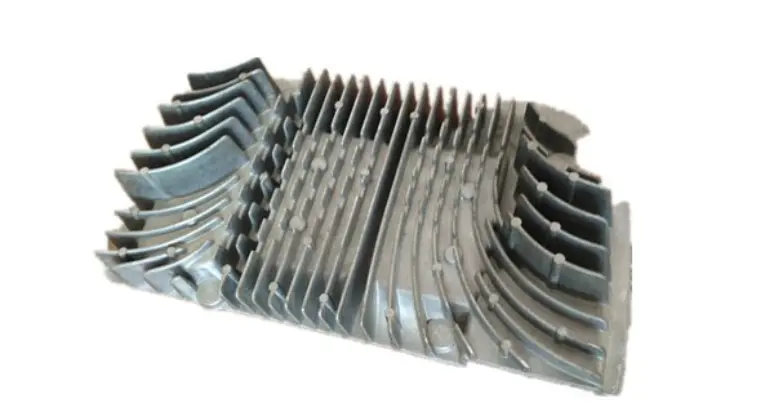
  • Decorative trim, heat sinks, architectural components

    Ready to get started on your Metal Extrusion quote?


    Available Extruded Part Finishes

    SUDACNC makes adding additional finishing steps to your metal extrusion project easy. Our vast network of finishing suppliers allows us to apply a variety of finishes to your parts. We have what you need, whether it’s functional or cosmetic finishes. The finishes we offer for our metal extrusion process are detailed below.

    As-Extruded

    The finish will be left unprocessed and remain as-extruded. Surface roughness can vary between alloys due to differences in grain structure but typically will fall between 64µin - 125µin Ra. Noticeable grain lines or discolored streaks may be present.

    Anodized (Type II Or Type III)

    Type II anodizing creates a corrosion-resistant oxide finish. Parts can be anodized in different colors—clear, black, red, and gold are the most common. Type III is a thicker finish and creates a wear-resistant layer in addition to the corrosion resistance seen with Type II. Anodized coatings are not electrically conductive.

    Powder Coating

    This is a process where powdered paint is electrostatically sprayed onto a part, then baked in an oven. This creates a strong, wear- and corrosion-resistant layer that is more durable than standard wet painting methods. Various colors and textures are available to create the desired aesthetic.

    Wet Painting

    All extruded metal parts can be wet painted in various paint formulations and colors. For color matching, paint brand and number should be specified on your included drawings or notes.

    Plating

    Extruded parts can be plated with electroless nickel, nickel, brass, tin, chrome, chromate, Teflon, silver, and gold.

    Chemical Film

    A chromate conversion coat can be applied to protect aluminum from corrosion and improve the adhesion of paints and primers. Chemical film conversion coatings also allow the metal to retain its electrical conductivity while providing corrosion protection to the surface.

    Media Tumbled

    Parts are subjected to vibratory media tumbling to remove sharp edges and smooth surfaces. Suitable for smaller pieces that can fit within the bowl or barrel of the tumbler.

    Custom

    Don’t see the finish you need? Select “custom” in our quoting interface and let us know what you are looking for, and we will be happy to explore additional options for you!

    Ready to get started on your Metal Extrusion quote?


    Applications of Extrusion

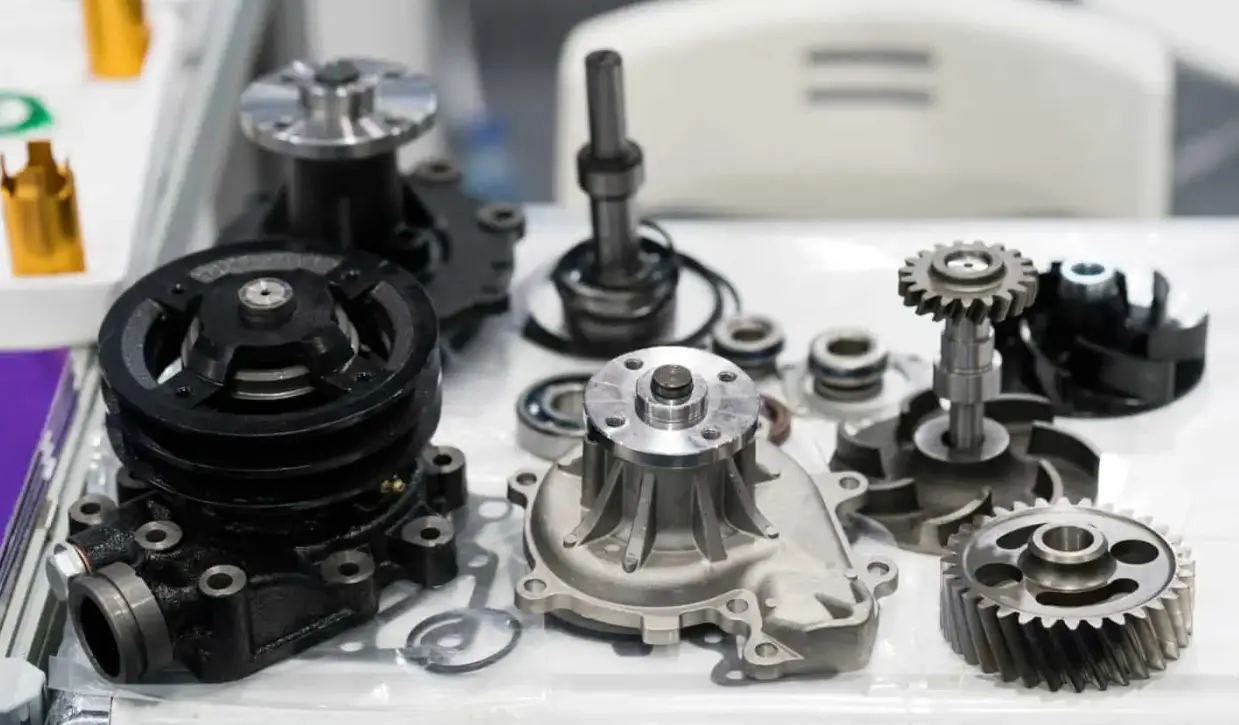
    Metal extrusion products can be found all around us in our daily lives. You can find them from metal windows and door frames to structural components for architecture and airplanes. Metal tubing, shaped bars, and angle stock are all created through extrusion. Many custom manufactured parts are made from these standardized extruded shapes. Metal extrusion is often the best, if not the only way, to create components with continuous complex cross-sections at scale while remaining economical. Some industries that use the process include automotive, aerospace, marine, architecture, construction, food processing, and electronics.

  • Aircraft structural components
  • Window frames, door frames, trim
  • Electrical connector housings
  • Conveyors
  • Ladders and scaffolding
  • Complex thin walled enclosures
  • Heat sinks


  • Metal Extrusion Advantages and Disadvantages Advantages of Metal Extrusion

    Dimensional Accuracy and Stability

    Modern extrusion presses and processes produce close tolerance extruded shapes that are durable and dimensionally stable. The process is also suitable for brittle and ductile materials.

    Low Part Cost

    With careful design, extruded frames and housings can eliminate multi-part assemblies. High production volume is also easily achievable and economical.

    Lower Tooling Cost

    The simplicity of the extrusion process yields 80-90% lower tooling costs than other processes like injection molding or die casting.

    Part Complexity

    Extrusion is well suited for creating parts that have complex cross-section forms, including features such as undercuts, T-slots, and grooves.

    Disadvantages of Metal Extrusion

    Initial Setup Cost

    Aside from the piece cost of the extrusions, there are also costs associated with building the dies and tooling. These costs are represented by tooling and setup fees.

    Design Limitations

    While the process enables complex profiles, it can be restrictive to design freedom. The reason being is the cross-section of the extrusion must remain constant. Features such as countersunk holes, pockets, or bosses cannot be extruded and will require additional post-machining steps.

    Lead Times

    The pool of extrusion manufacturers is smaller due to the heavy machinery and facility requirements associated with the process. In addition, lead times for the production and iteration of dies can take weeks. Due to these factors, lead times for initial parts deliveries are typically four to six weeks.

    Ready to get started on your Injection Molding project?

    Free shipping available for domestic CNC orders
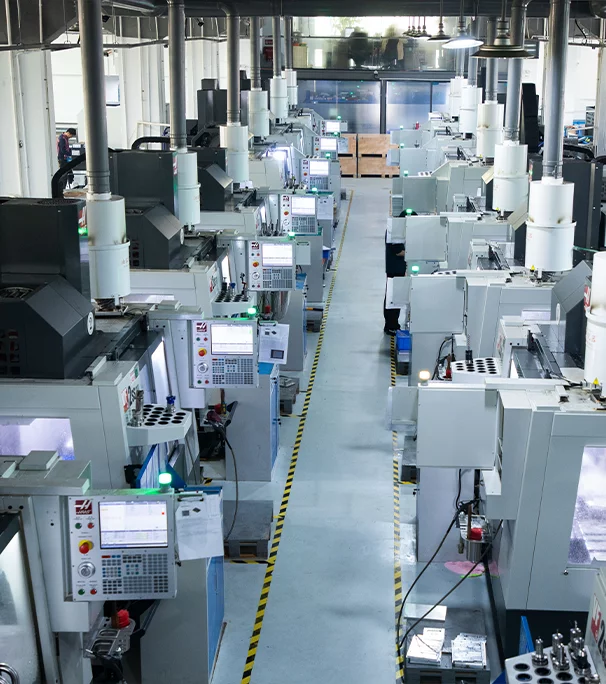
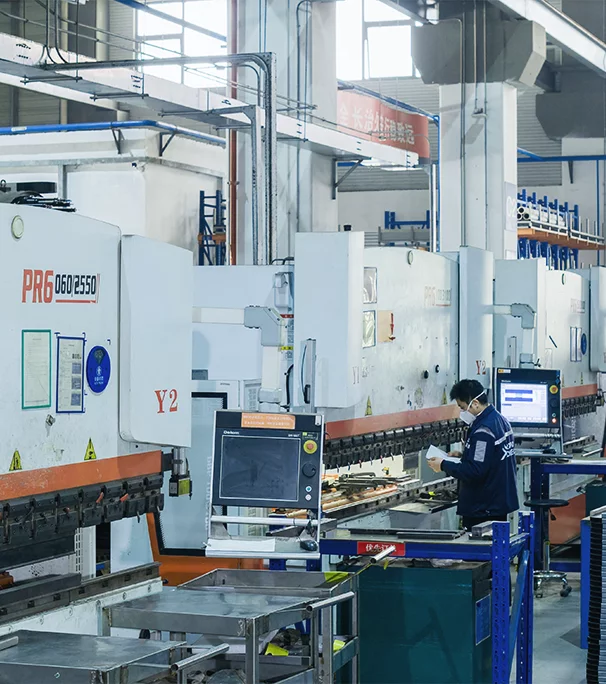
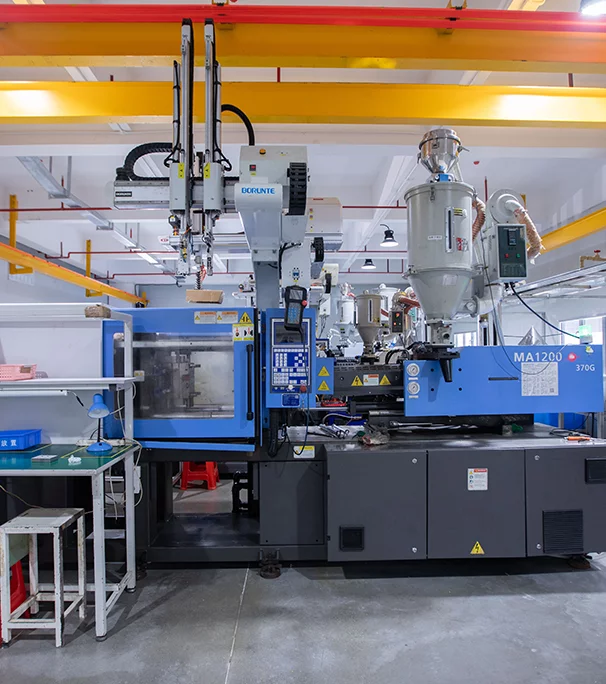
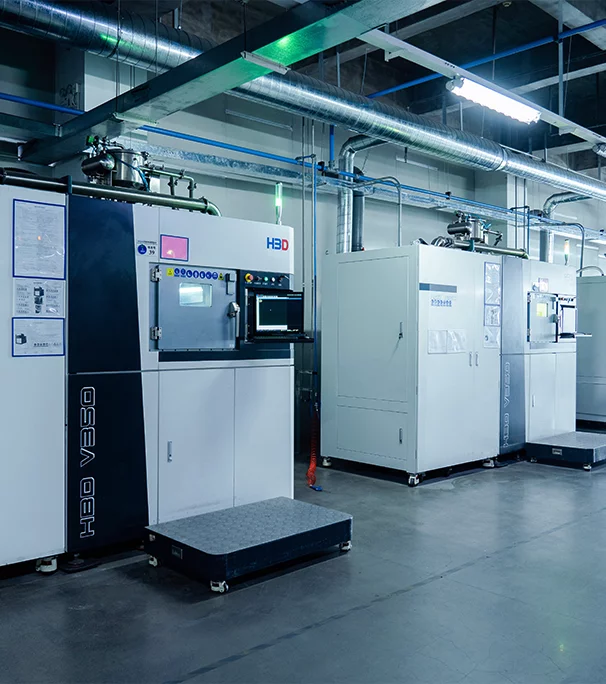
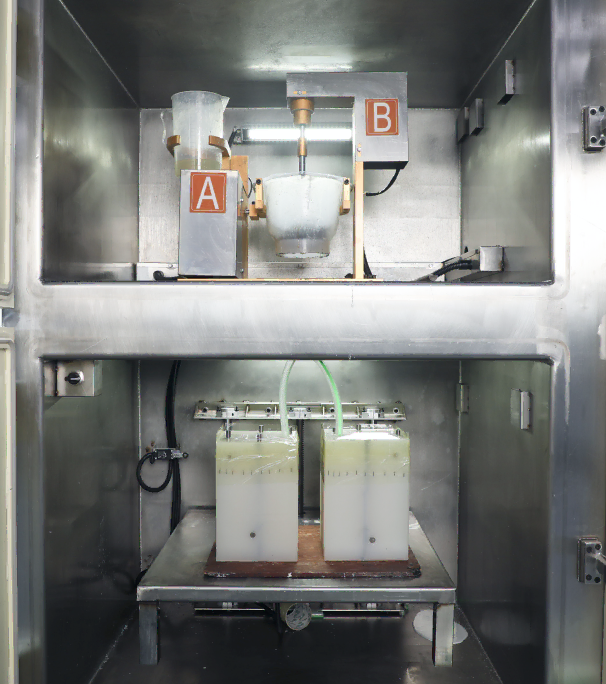
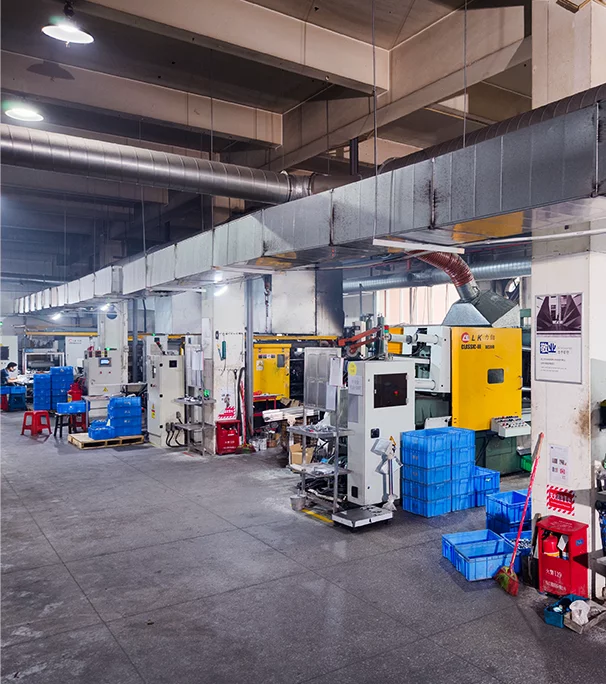
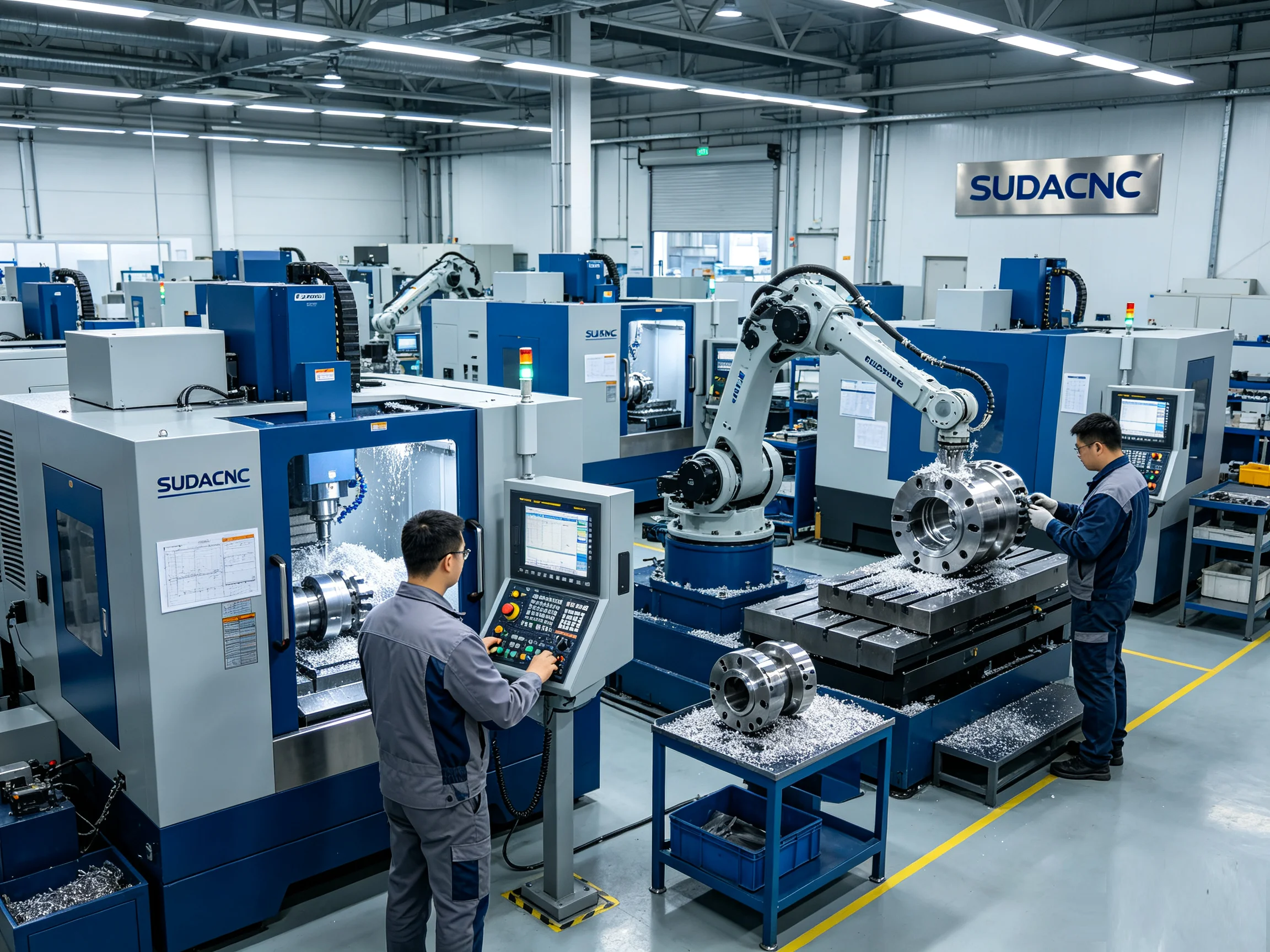
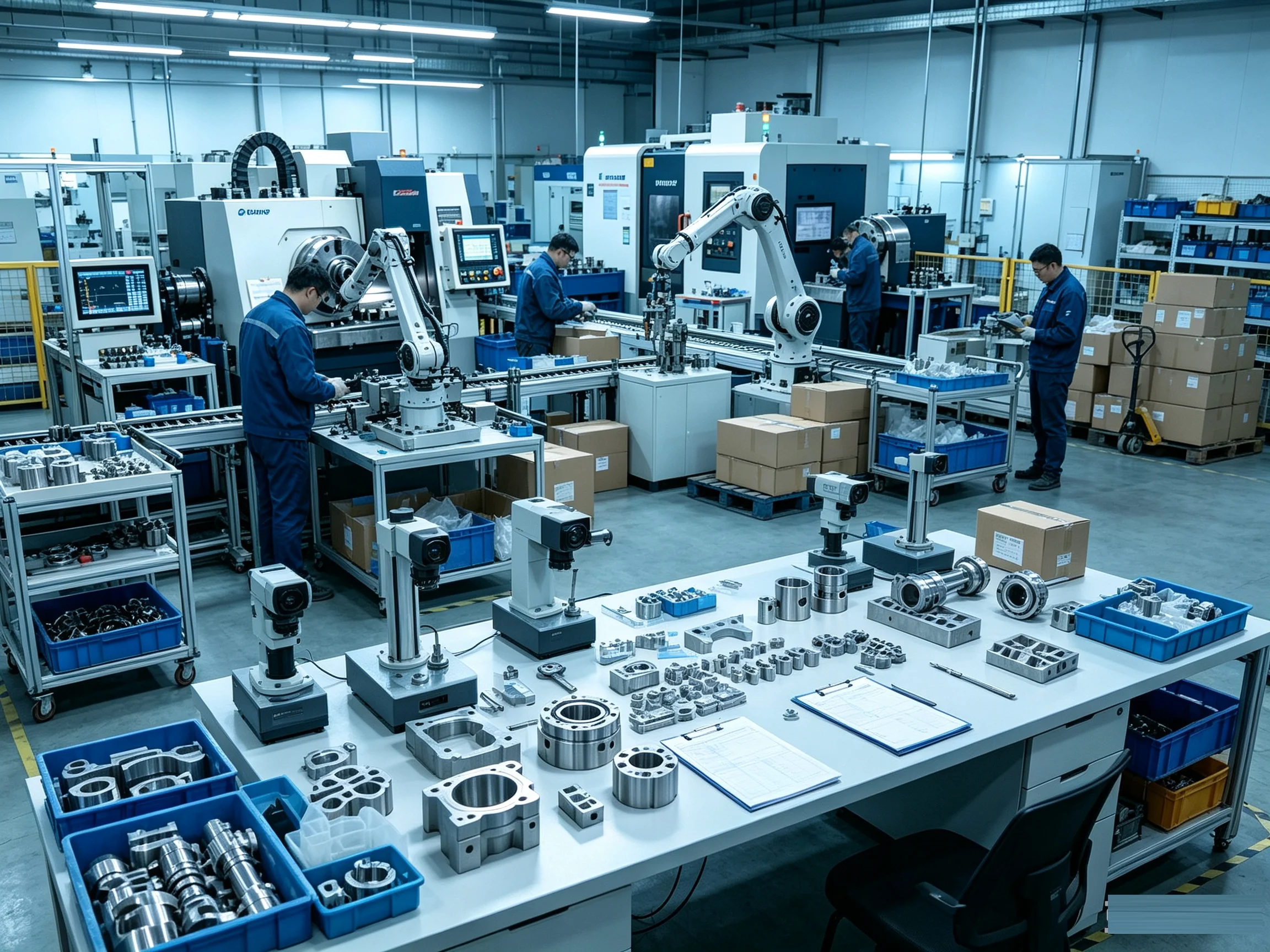
    Our Factorys

    Fullsize image

    SUDACNC Trusted Global Partner


    We are your trusted manufacturing partner. Precision Machining and Efficient Management Delivery of High-Accuracy Global Parts. We guarantee consistent quality and transparency with punctual and reliable lead times. We are with you every step of the way, from validating a design to mass production.


    30M+
    Network-wide parts produced

    5,000+
    Companies served

    5,200+
    Combinations of material, process, finish options

    30+
    Supply regions to mitigat e risk & enhance delivery speed

    Maximize Collaboration with Teamspacee
    Metal-and-Plastic-Production-Solutions

    Metal and Plastic Production Solutions


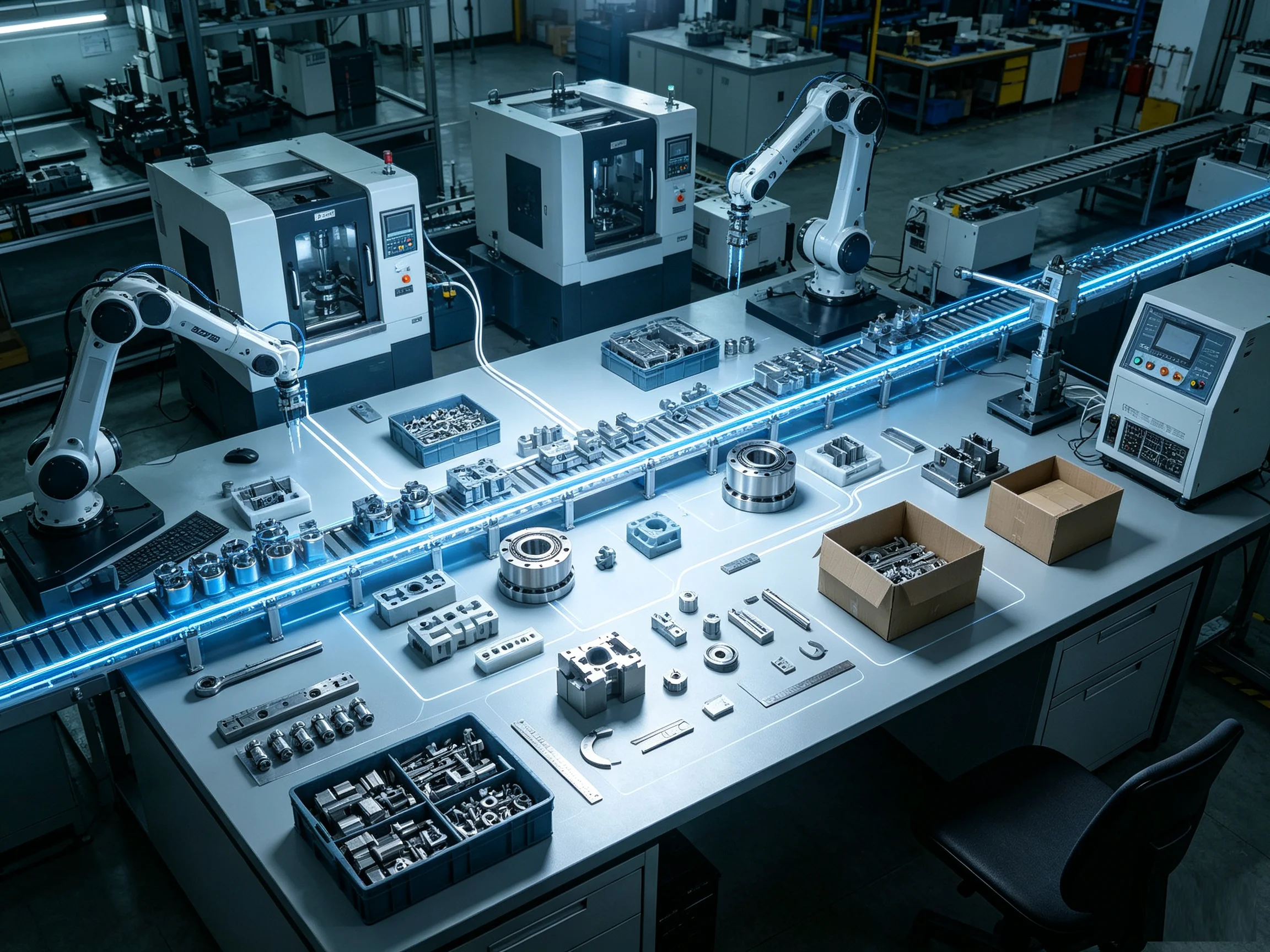
    SUDACNC’s digital manufacturing marketplace is your one-stop solution for production. Our team is the perfect solution for your product manufacturing needs with our staff of technical experts, ease of our secure quoting platform, and global manufacturing capacity.


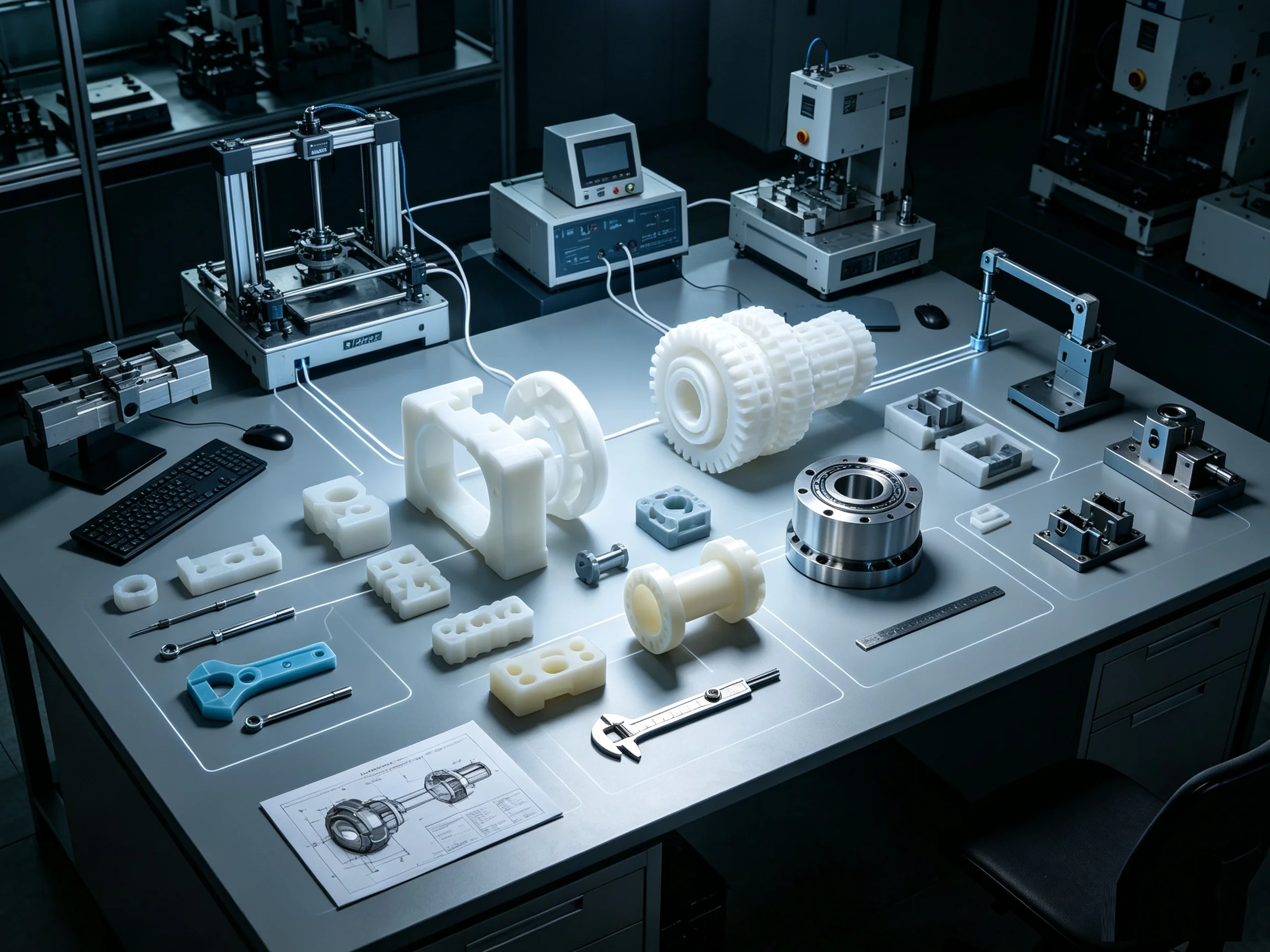
    SUDACNC offers competitive pricing and lead times on plastic injection molding, die casting, metal stamping, metal extrusion, plastic extrusion, sheet metal, laser cutting, waterjet cutting, laser tube cutting, and tube bending services. Start your quote or contact us today to begin.

    Choose Your Optimal Price and Lead Time


    The SUDACNC Instant Quoting Engine® makes it easy to upload a CAD file and compare prices and lead times in just a few clicks. With thousands of manufacturing suppliers in all 50 U.S. states and more than 20 countries, SUDACNC’s extensive network gives you options to choose the shipping timeline and price that fit your business and budget.


    SUDACNC offers price matching and a 30-day price guarantee on quotes, giving you peace of mind that you’re getting the best price. When ordering prototypes — originals or models of parts that are intended exclusively for non-commercial purposes — the price shown at checkout includes tariffs. Shipping is also included, as long as your package is standard-size.
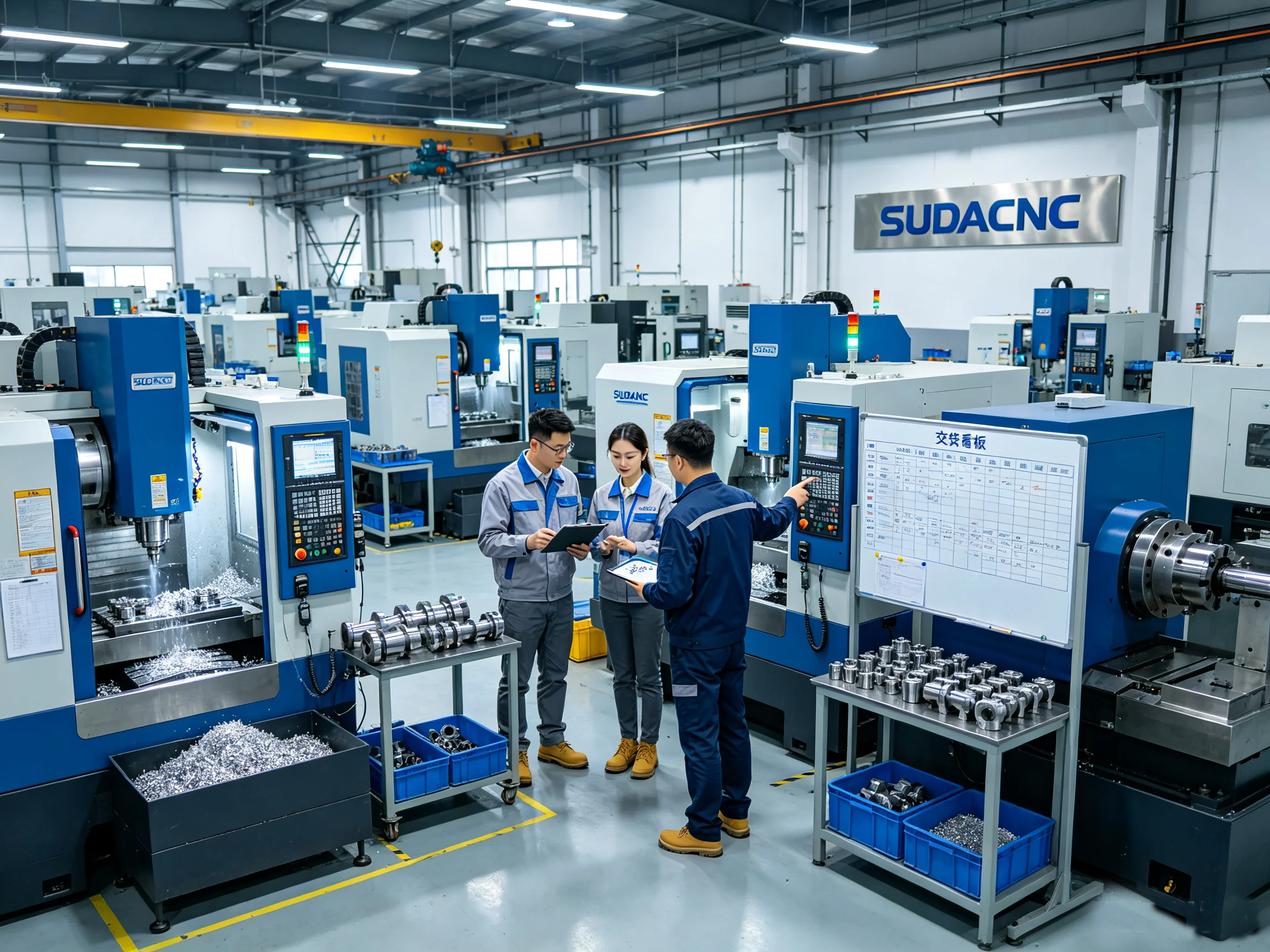
    Choose-Your-Optimal-Price-and-Lead-Time

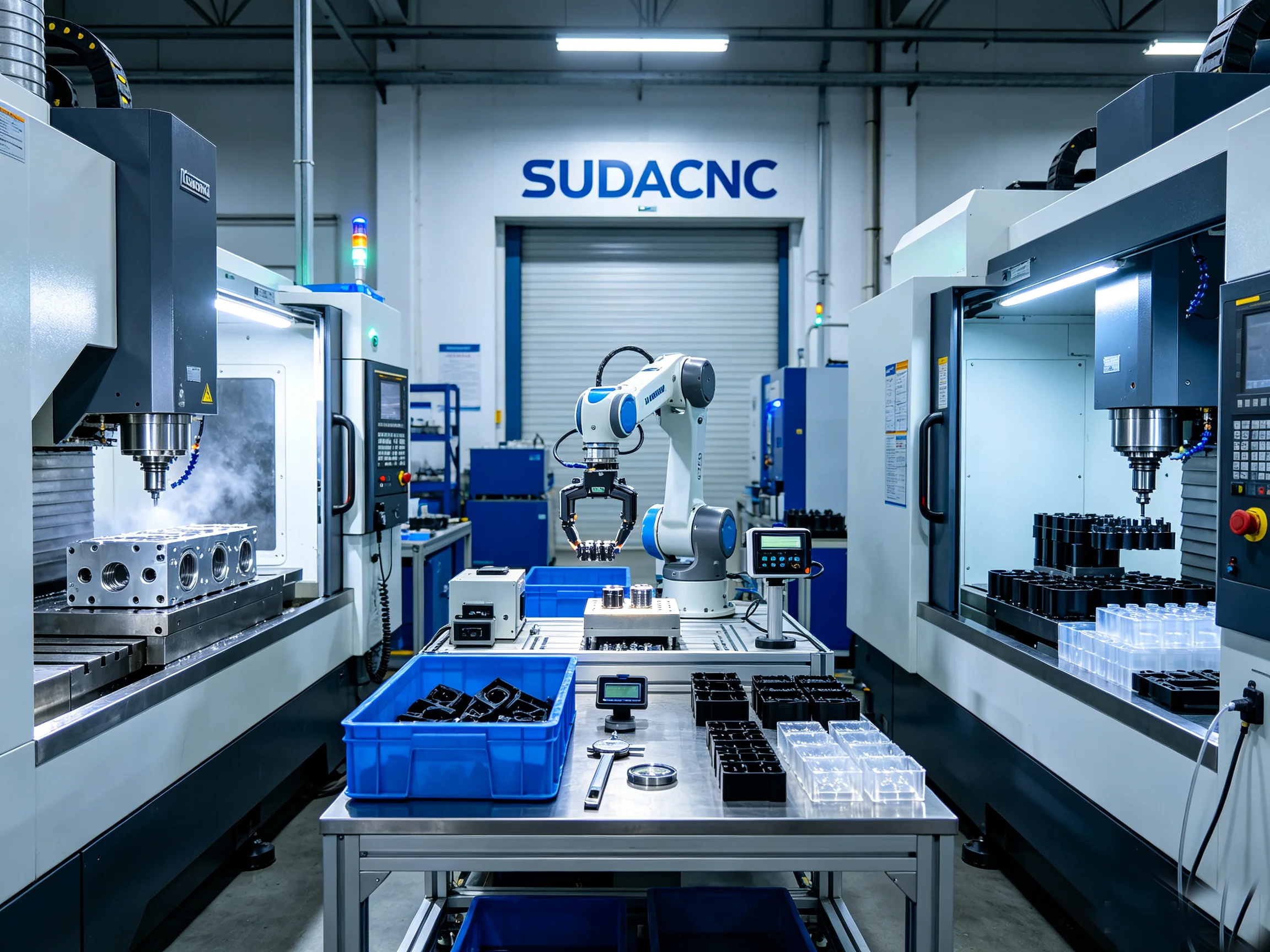
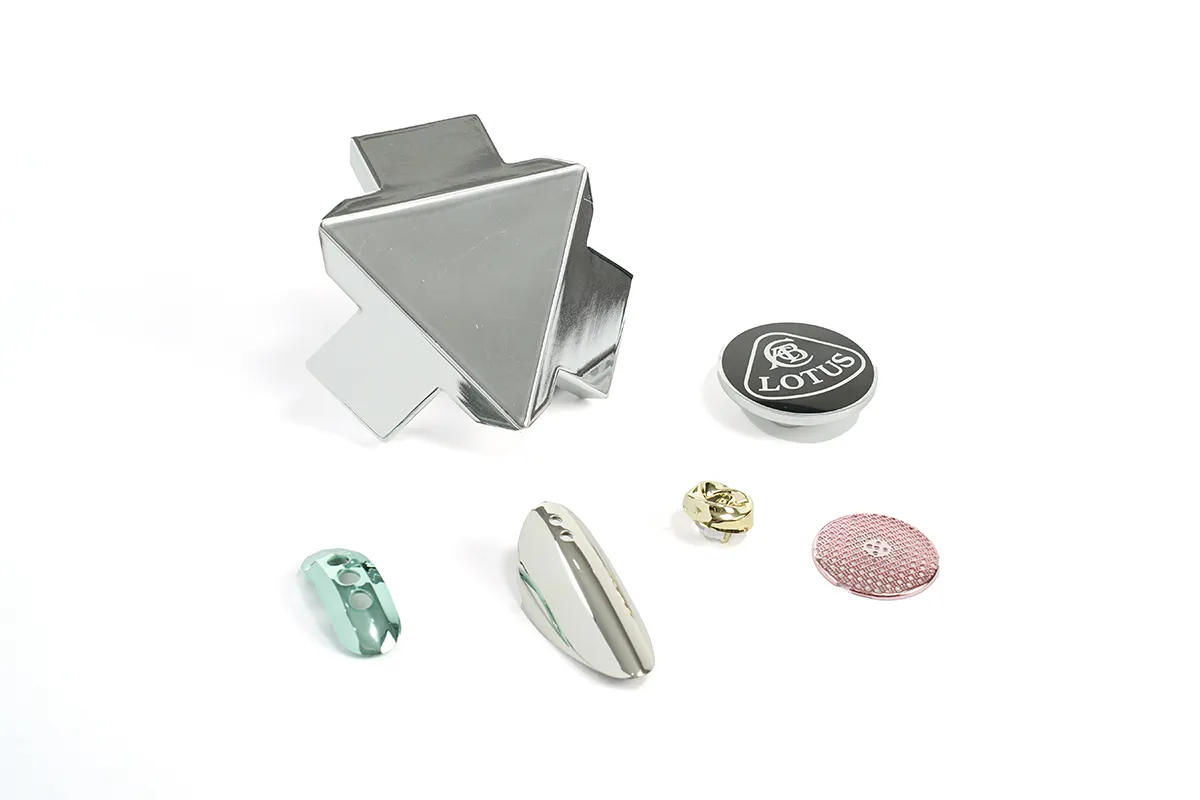
    Our Works

    Fullsize image
    Metal-and-Plastic-Production-Solutions

    SUDACNC Four Workflow Phases

    From start to finish, our process is built for speed and clarity. Each step is transparent, keeping you in control. The result: precision results delivered on time.


    Real-Time Quotes

    Confirm transparent price structures, timelines, and DFM visibility in minutes, with the SUDACNC quoting engine supporting optimal strategic decisions. Upload your CAD files to reduce time spent in quoting cycles.

    Quality Assurance

    SUDACNC enables you to access a single, streamlined platform for managing versatile professional collaborative relationships with certified suppliers and diverse manufacturing capabilities, allowing you to scale production to meet unlimited volume requirements.

    Deep Manufacturing Network

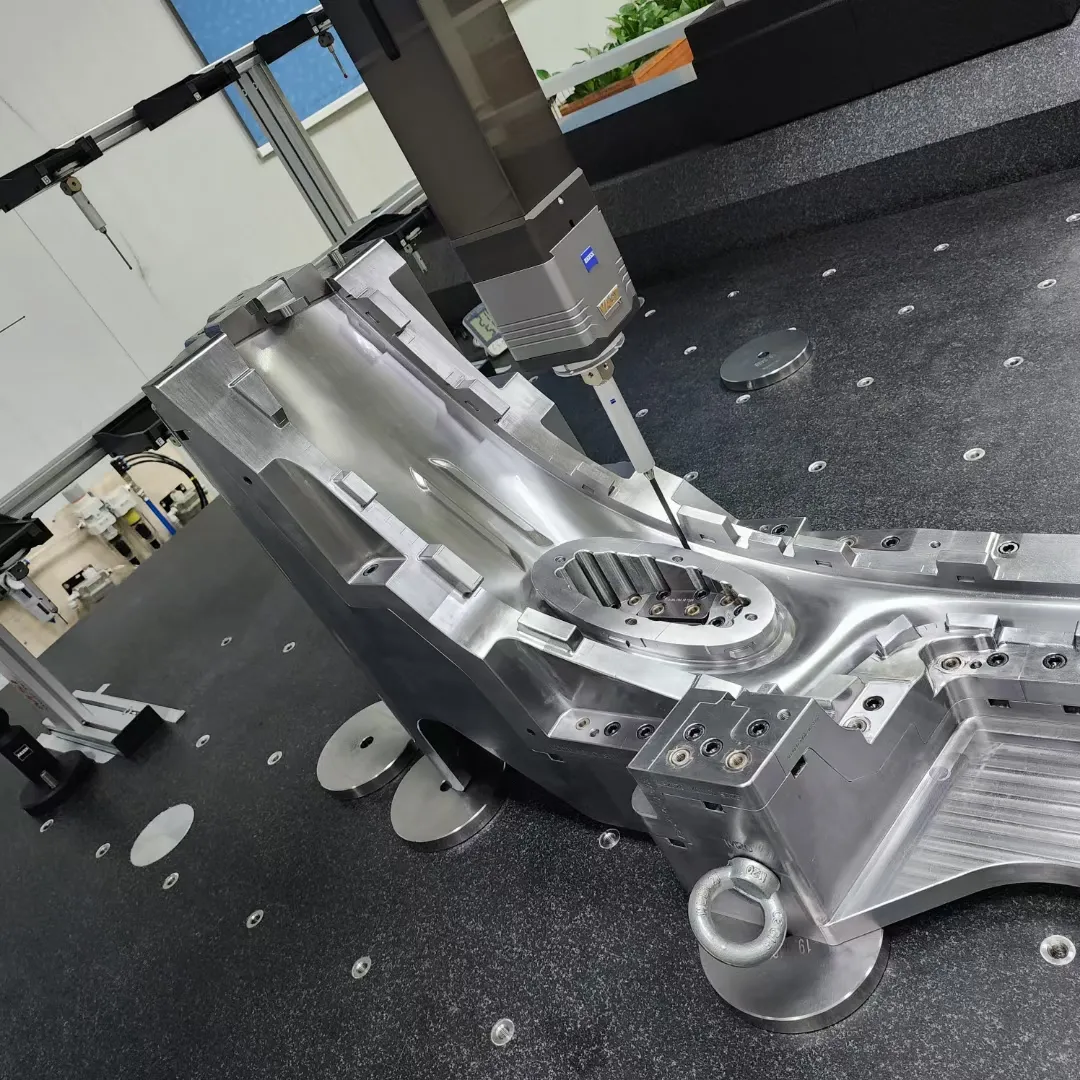
    Every part of SUDACNC goes through rigorous inspection standards to ensure that we meet all your dimensional, cosmetic, and performance needs and requirements.

    Industry-Focused Expertise

    SUDACNC works across multiple industries, including aerospace, automotive, medical, robotics, consumer, and industrial machinery, delivering consistent quality in highly demanding projects.

    All-in-One Your Reliable Manufacturing Partner

    Design&Engineering Support

    Rapid Prototyping

    Production and Manufacturing

    Quality control and distribution
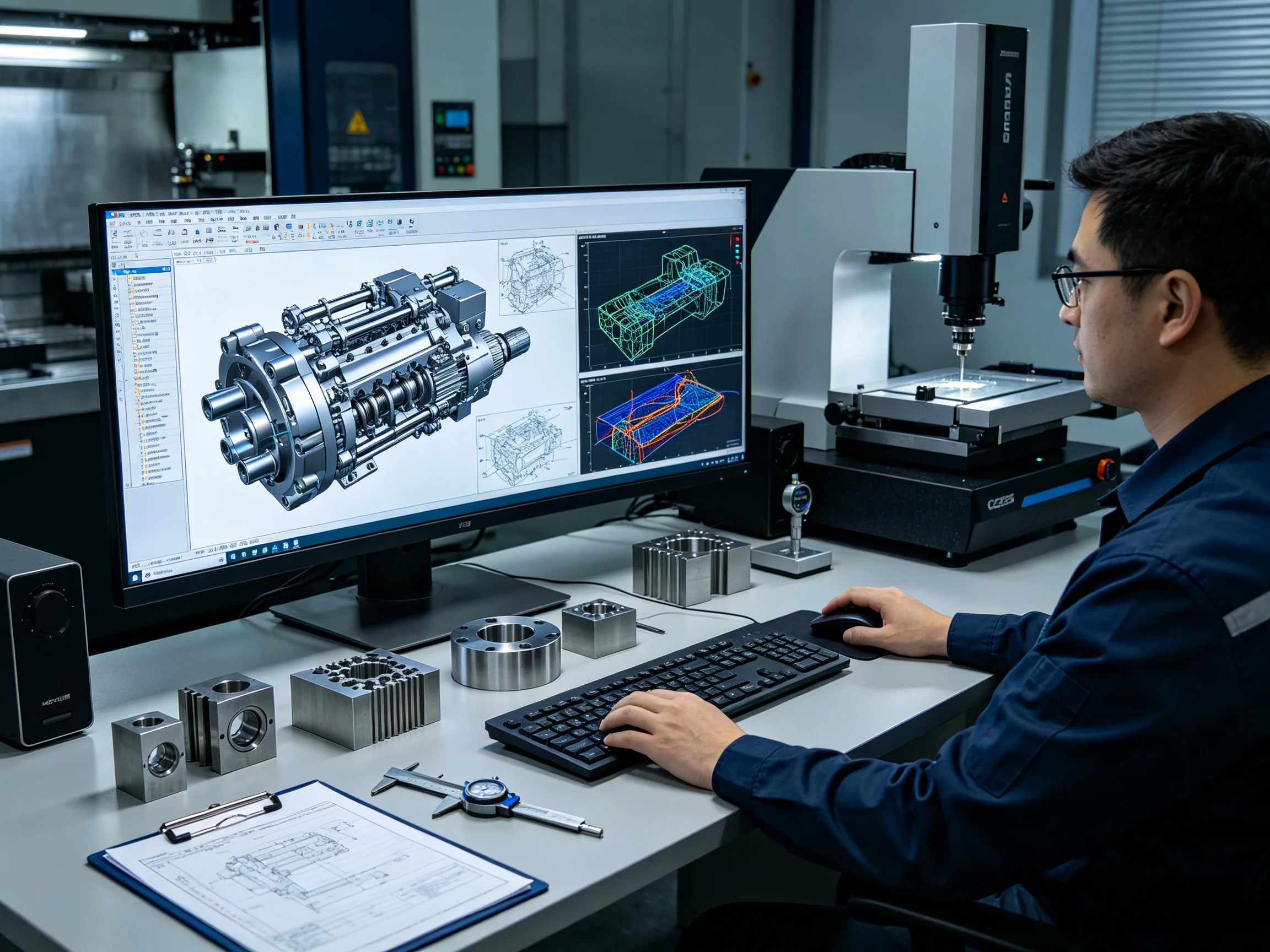
    Design and Engineering Supports

    Design and Engineering Support


    Our work begins with understanding your design with engineering clarity. Knowing that the starting point of every successful product is understanding the engineering aspect, we work with you to comprehend design needs, analyze the specifications, and make manufacturable parts. Our early risk assessments streamline revisions, contain costs, and deal with ever-decreasing performance variability.


    Practical DFM Comments to Support Design Decision Improvementss

    Material Suggestions Based on Your Application

    Engineering Assistance to Boost Efficiency and Longevity

    Quality Assurance & Compliance


    in Every Part We Manufacture


    We stay true to industry standards that have to do with quality and safety, like ISO 9001:2015 and AS9100. We assess and check every part multiple times to ensure that inspections have been done thoroughly and that we can offer no exceptions to your needs.
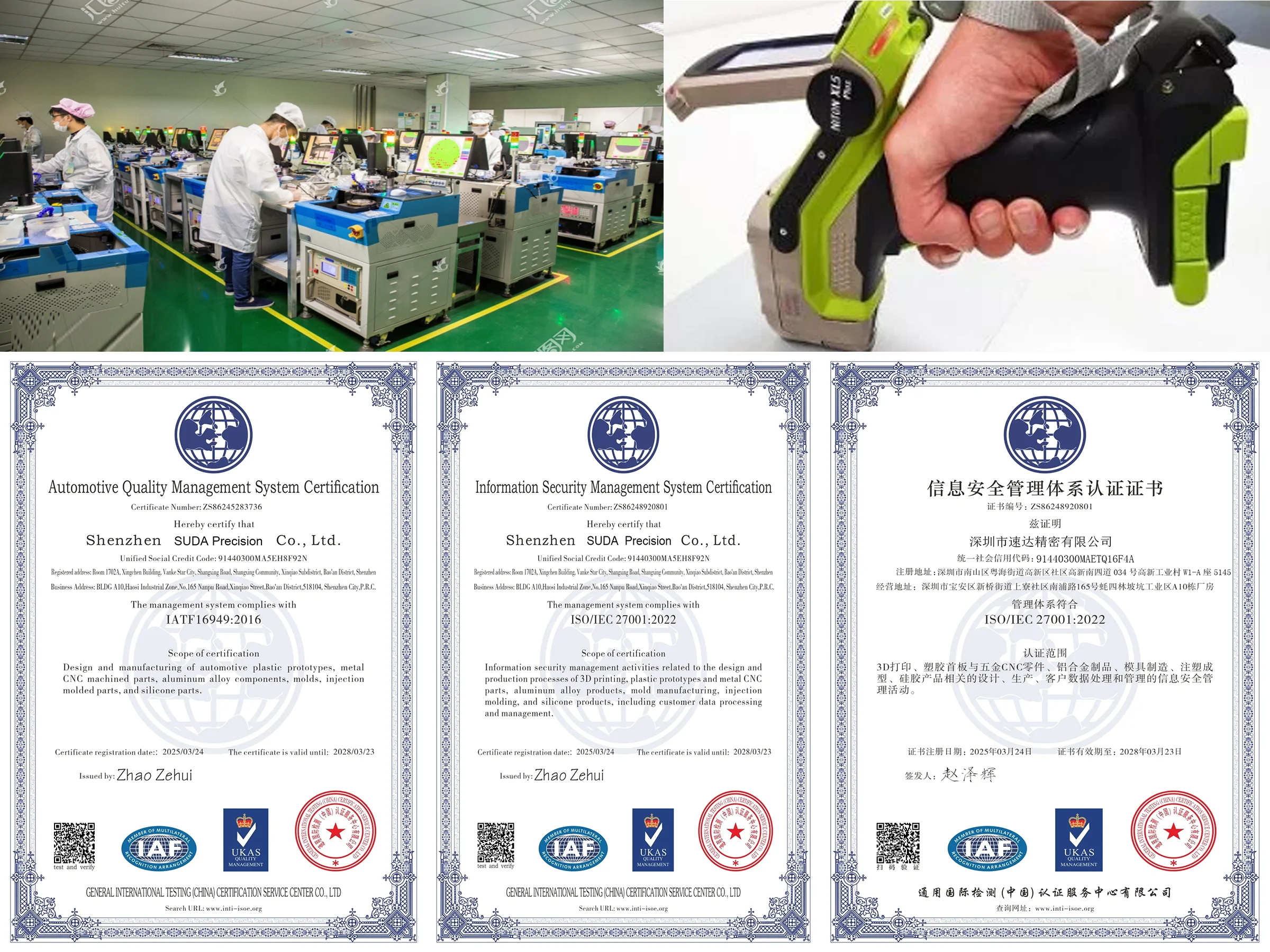

    • ISO 9001 Certified
    • 100% Quality Inspection
    • Premium Material Selection

    What Makes SUDACNC Different from Others

    Cogs

    Instant Smart Quoting

    Get quick pricing and DFM insights to optimize designs and reduce costs.

    Cogs

    Global Supply Network

    Access our global manufacturing network for reliable solutions of all sizes.

    Cogs

    Certified Quality Control

    Strict inspection protocols for every part. We ensure 100% accuracy and high standards.

    Cogs

    Fast Reliable Delivery

    Punctual shipping for all custom orders. Your projects always stay on schedule.

    Why Us?

    Our experience and advantage

    High quality industrial parts being inspected

    Save Your Cost

    Our rich project experience accumulation and pre-analysis before production enable us to consider comprehensively and provide the mostsuitable and economical solutions, to
    Warehouse with efficient logistics operation

    Save Your Time

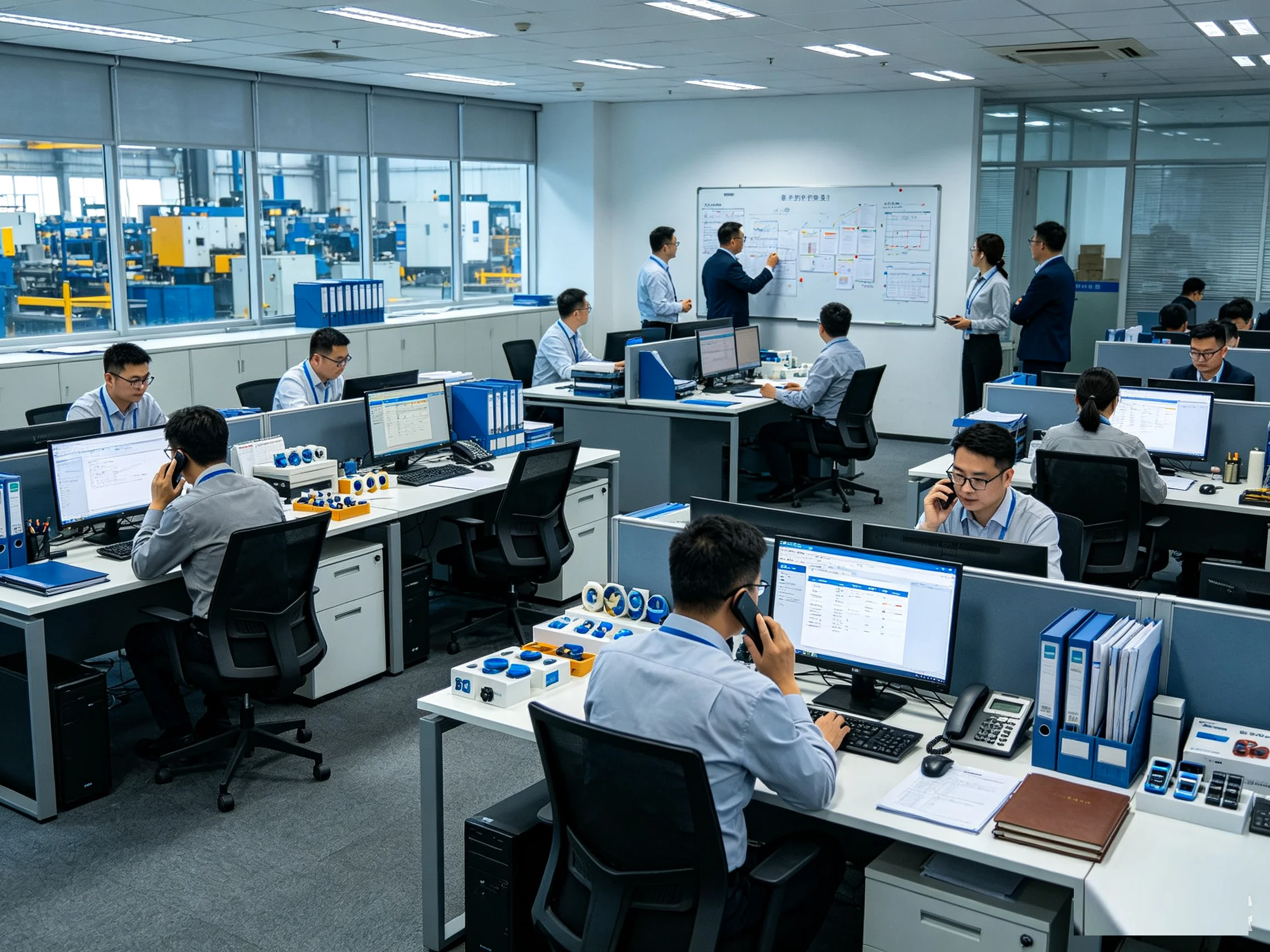
    Our skilled engineers team and sales team work close to make professionaland efficient communication with thecustomers, to save the time.
    homepage-whyus-responsiblee

    Responsible and efficient after-salesservice

    We will absolutely take our responsiblityfor any potential part quality issue, andcommunicate and solve it timely to meetcustomer's demand.

    What Our Clients Say

    "Implementing their precision-engineered components has dramatically lowered our operational overhead. The technical support team provided exceptional guidance in tailoring the ideal setup for our specialized manufacturing floor."

    — Emily Watson, Head of Manufacturing

    "Faced with a sudden shortage on our main assembly line, their team expedited the critical components within a day, preventing catastrophic financial losses. Their agility and customer-first mindset make them a premier strategic partner."

    — David Lin, Supply Chain Director

    "The dimensional consistency of their CNC parts is flawless, which seamlessly integrated into our rigid Outgoing Quality Control protocol. We haven't had a single batch rejection since switching to their fulfillment services."

    — Marcus Vance, Quality Assurance Manager

    "Their end-to-end transparency and automated dispatch tracking have revolutionized how we manage our warehouse flow. It's rare to find a manufacturing vendor that pairs heavy industrial expertise with such agile digital efficiency."

    — Sophia Zheng, Procurement Specialist

    Ready to Experience the Difference?

    Join hundreds of satisfied customers who trust us for quality, speed, and expertise.

    Contact Us Start Your New Instant Quote